

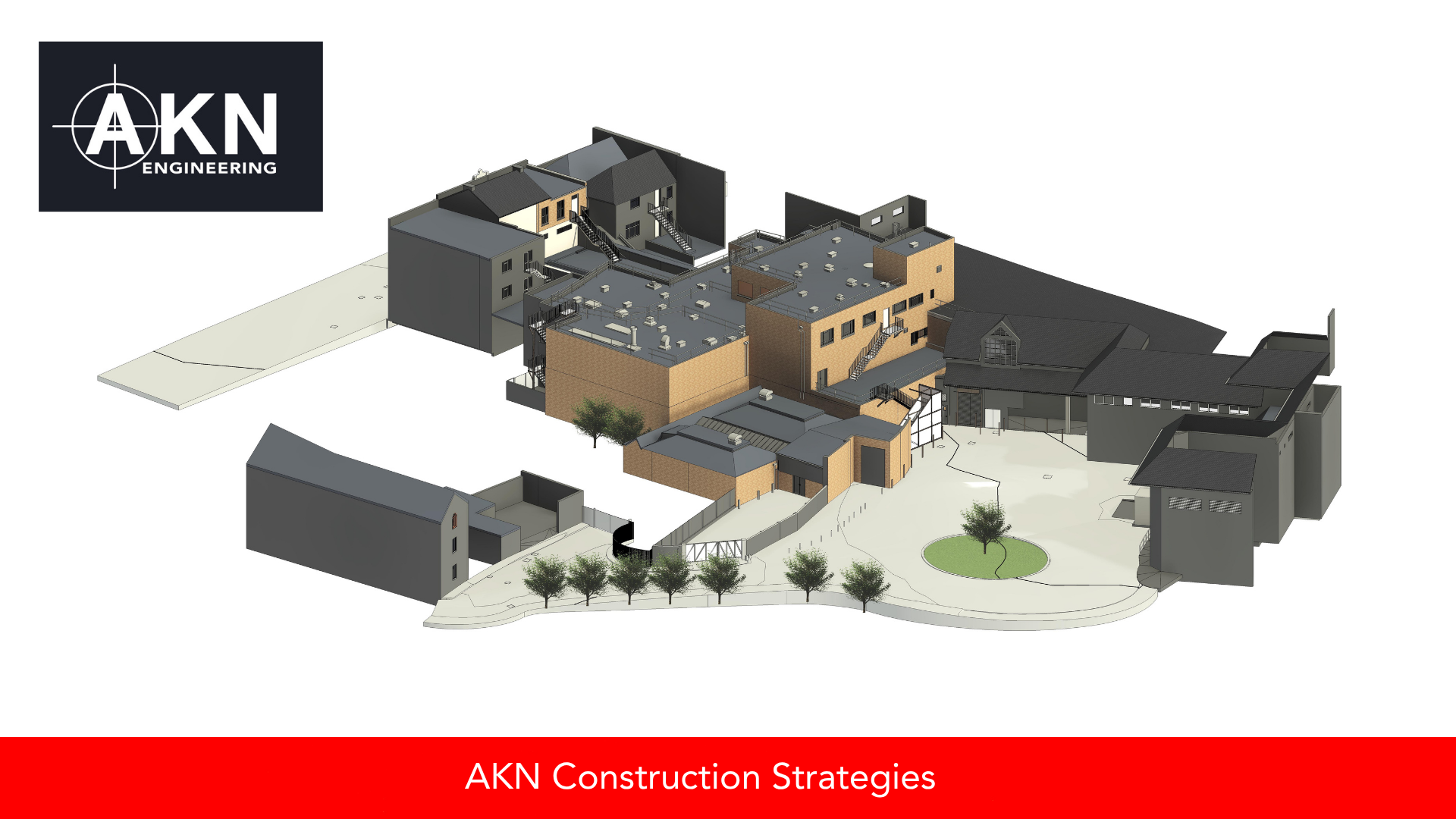
3D Laser Scanning for Refurbishment and Retrofit Projects — What You Get That Traditional Survey Can’t
Existing buildings rarely match the drawings. 3D laser scanning captures the building as it actually is, eliminating the geometric surprises that cost refurbishment projects redesign time and site visits.

How Fast Can a New Setting-Out Team Mobilise Onto a Piling Programme?
A piling rig can’t wait for a slow handover. What actually determines fast, competent mobilisation onto a piling programme — and the questions worth asking before you need cover urgently.

What Reliability Actually Looks Like From a Site Engineering Partner
Reliability isn’t attendance — it’s what a site engineering partner does when a quality check finds a problem. What to check before you book, and why continuity of people matters as much as continuity of data.
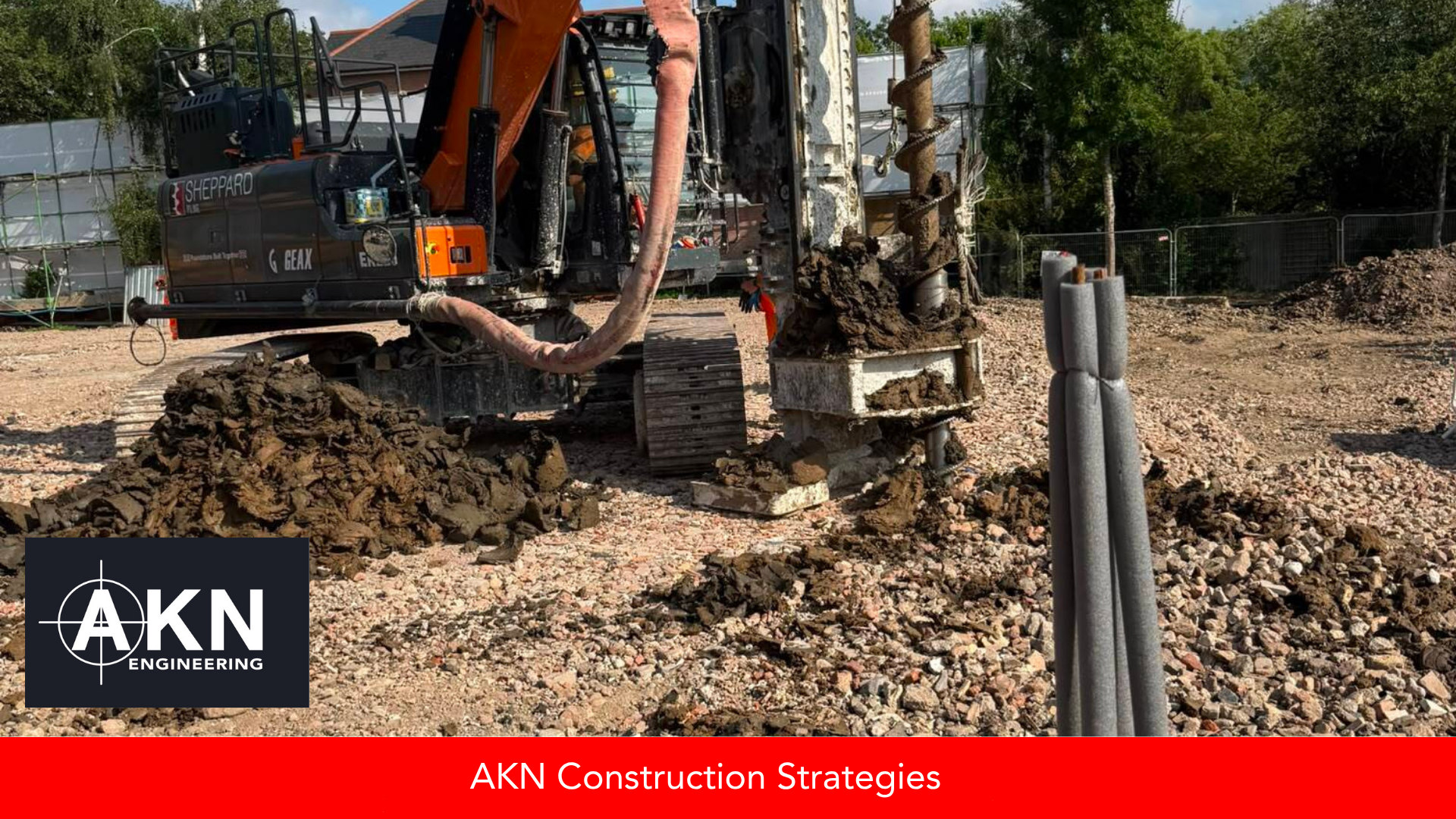
Piling Setting Out on UK Construction Projects — What It Involves and Why Accuracy Matters
Piling setting out positions every pile to the design as the rig works. Accurate, independently checked set-out avoids rig standing time, remedial piles and redesign — and an as-built survey keeps the foundations defensible.

The Real Cost of a Setting Out Error on a UK Construction Project
The real cost of a setting-out error is rarely the survey — it's the rework, delay and disputes that follow. A misplaced foundation can cost tens of thousands, long after the small cost of getting it right the first time.

Setting Out Registers: What They Include and Why They Matter on UK Construction Projects
An engineering register records a site's survey framework — control points, topographic data, calibration certificates and survey targets — while the site diary logs the daily setting out. Kept separate and complete, the two form a defensible record that protects the contractor at final account.

Why Main Contractors Use a Retained Survey Engineer on UK Construction Projects
A retained survey engineer gives main contractors guaranteed availability, a consistent control network and a single accountable point for every survey operation — turning a reactive cost into a planned one.

How Accurate Survey Data Protects Your Final Account on a UK Construction Project
Most final account disputes on UK construction projects are data problems — the pre-construction conditions weren't surveyed, the setting out register is incomplete, or there's no as-built record of what was actually constructed. This guide explains how each type of survey data protects the contractor's position and how to plan for it from the start of the programme.

How Main Contractors Use Site Engineering to Protect Programme on Highway Works
Programme delays on highway works usually start with assumptions about control and responsibility between packages. We explain how main contractors use site engineering to prevent avoidable delays and protect commercial performance on Section 278, Section 38 and civils framework schemes.
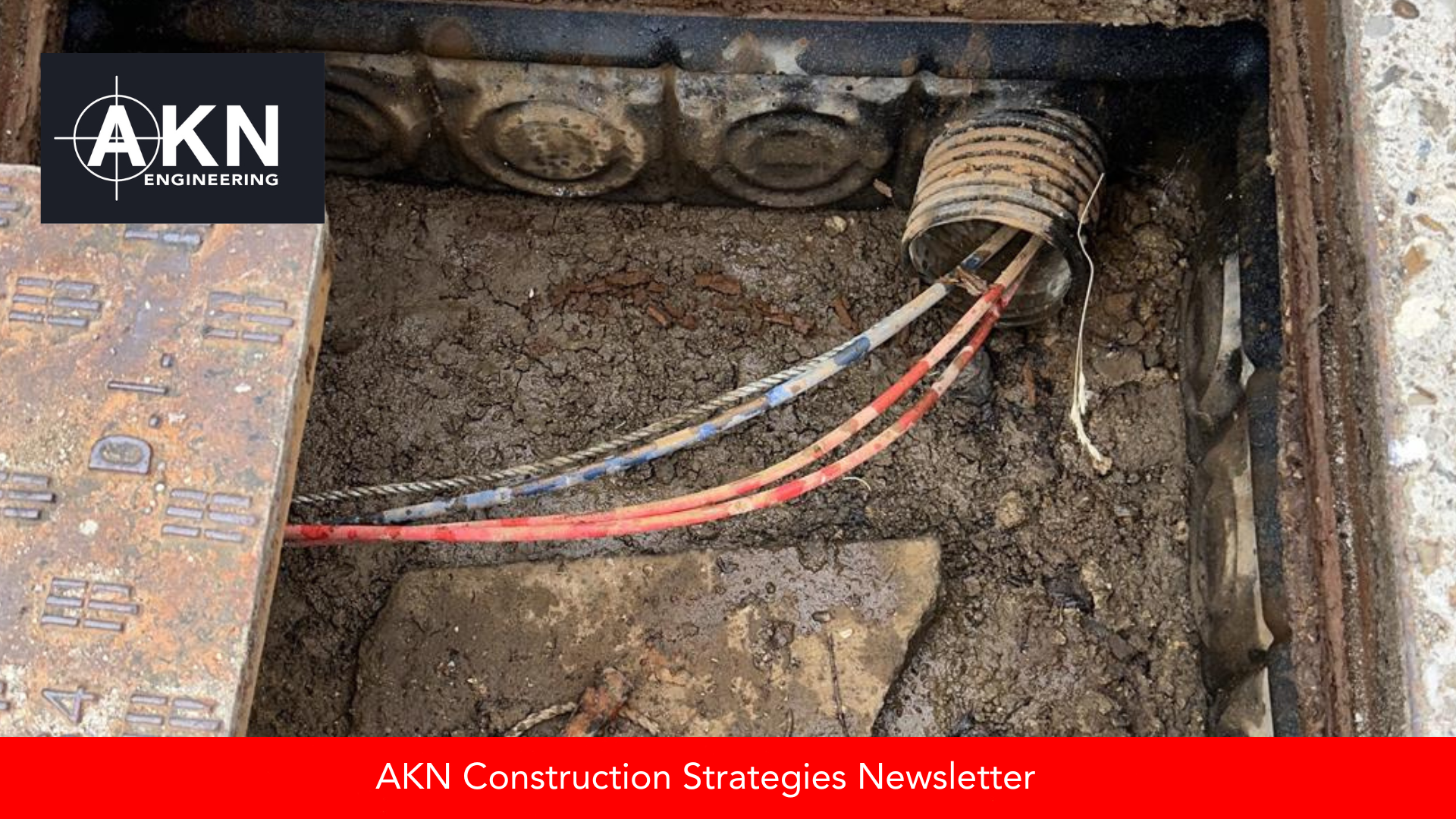
Do You Need a PAS 128 Utility Survey or Desktop Utility Search? (UK Guide)
Utility records searches and PAS 128 surveys are often confused, but they serve different purposes at different project stages. We explain what each delivers, how they impact design and construction, and when UK contractors should use each option for cost, safety, and compliance.
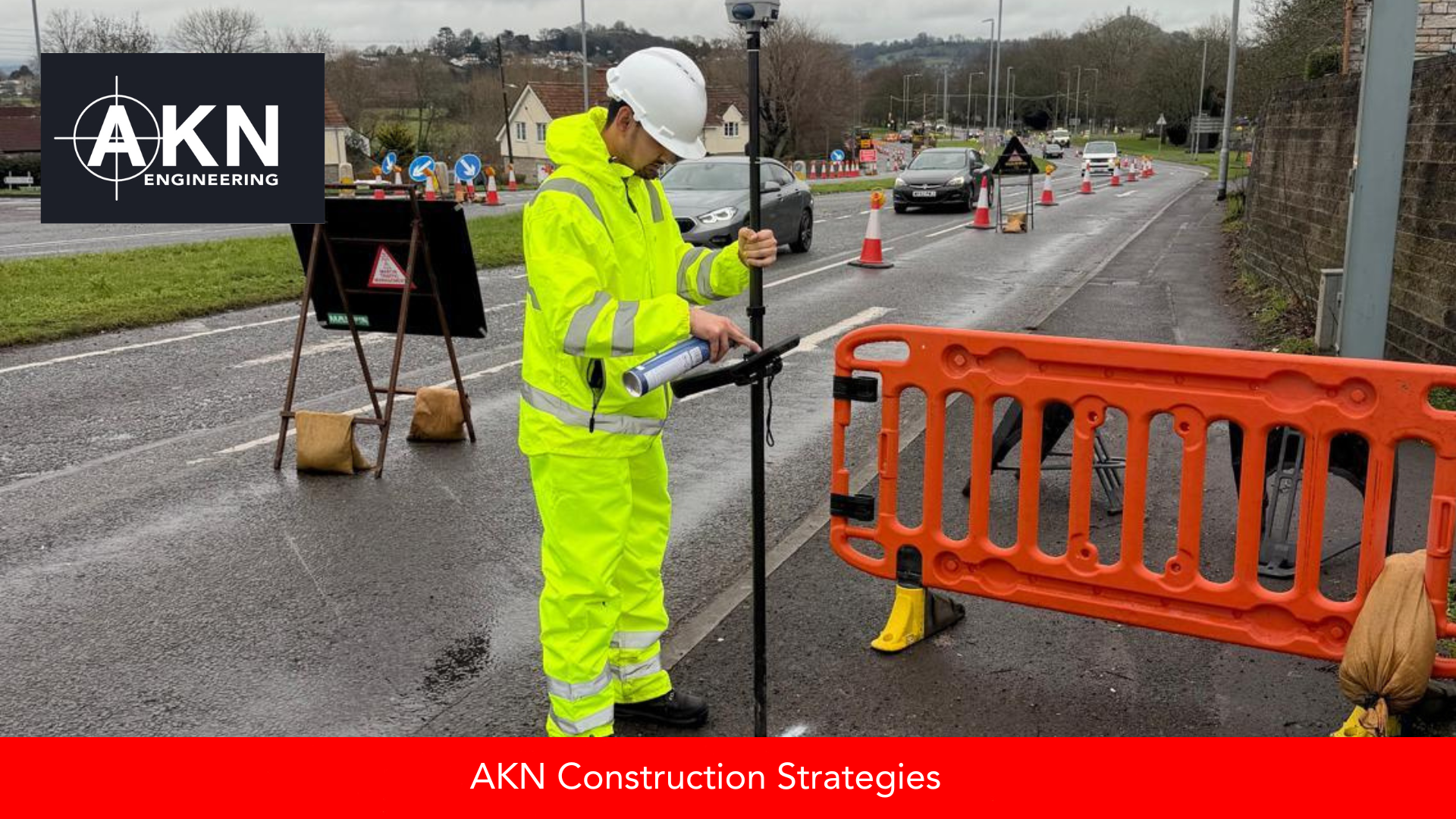
Survey Control on UK Projects: Why It Matters and How to Get It Right
Survey control underpins accuracy on UK civils and highways projects. We explain what control is, why it matters, who owns it, and simple ways to avoid costly errors during setting out, as-built measurement, and handover.

Site Engineer vs Surveyor in the UK – What’s the Difference and Why It Matters
Site Engineers, Setting Out Engineers and Surveyors are often treated as interchangeable, but on UK civils projects the differences matter for competence, documentation and delivery. This guide explains the roles clearly and why it matters for contractors, PMs, QSs and international engineers.
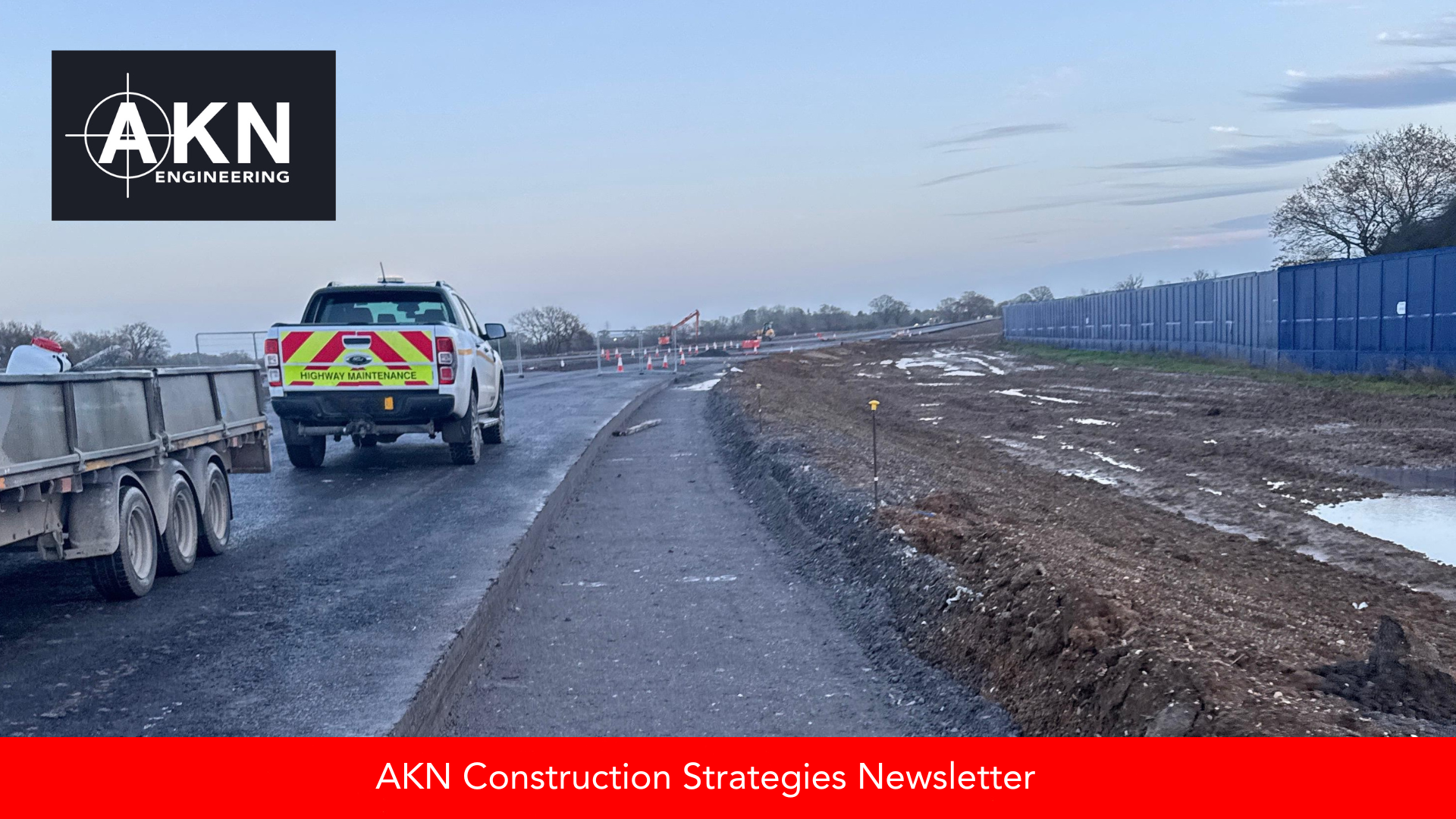
When Winter Utility Surveys Work (And When They Don't)
Winter utility surveys can be a smart planning move when sites are accessible and diversion lead times are critical. This guide explains when PAS 128 surveys work well in winter, when weather creates real limitations, and how contractors can plan ahead for early-2026 projects.

What Do PAS 128 Survey Types (M1, M2, B, C, D) Mean – and Which One Do You Need for Your Project?
PAS 128 survey types can be confusing if you’re not working with them day-to-day. This guide breaks down M1, M2, B, C and D in simple terms so project managers, engineers and contractors can choose the right survey level and manage underground utility risk confidently.
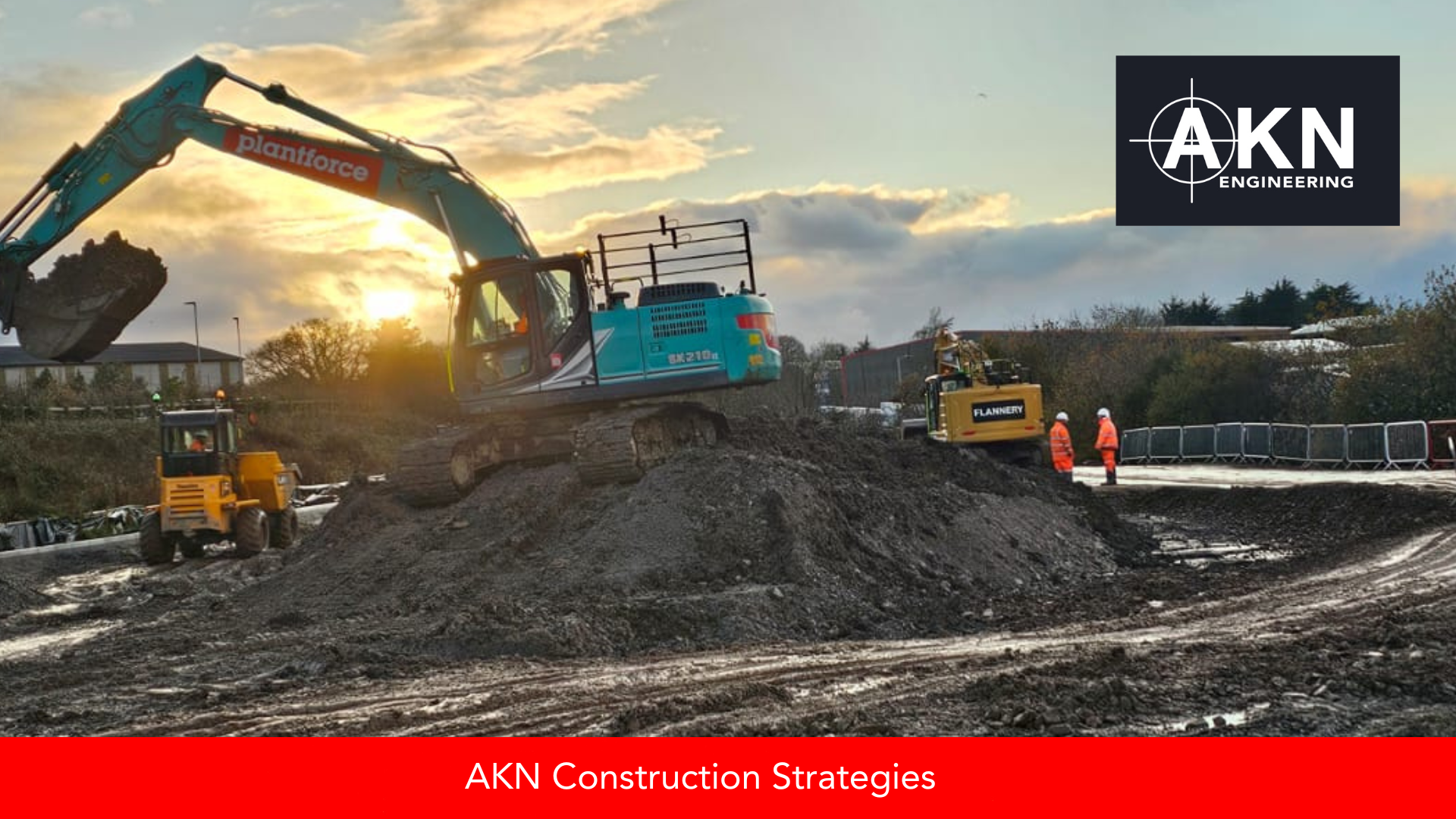
PAS 128 Explained: A Practical Guide for Contractors, PMs & Site Engineers
PAS 128 sets the standard for underground utility surveys in UK construction. This guide explains what each survey type means, how to interpret confidence levels, and how PAS 128 helps reduce risk on highways and civils projects before you break ground.

Understanding Pot-Ended & Abandoned Cables: Why They’re Almost Impossible to Detect (And What That Means for Your Site)
Pot-ended and abandoned cables are some of the hardest buried services to identify. This blog explains why standard detection methods can’t locate them, what this means for PAS 128 surveys, and how project teams can plan safer excavations despite these limitations.

Behind the Scenes: How AKN Verifies As-Built Survey Accuracy Before Delivery
Before any as-built report leaves our office, it goes through a detailed internal verification process. Here’s how AKN Engineering ensures accuracy and consistency before client sign-off.

What Project Managers Should Understand About Survey Scope (Before the Project Starts)
Most design problems and on-site delays come from one thing: the wrong survey scope. Here's what project managers should understand about topographical and utility surveys before a project starts — and why RICS accuracy bands and PAS 128 Quality Levels matter.

What Is the Most Accurate Equipment for Setting Out Large Highways Projects?
Not all equipment is equal when it comes to setting out highways projects. Learn which instruments deliver the highest accuracy and why — plus how AKN Engineering ensures every design line is built right.

GPR Limitations Explained: Why It Detects Disturbances (Not Every Utility)
GPR surveys can’t see everything — they detect disturbances and metallic objects beneath the surface. Learn why a layered approach gives safer, more accurate results on UK construction sites.


