


What Reliability Actually Looks Like From a Site Engineering Partner
Reliability isn’t attendance — it’s what a site engineering partner does when a quality check finds a problem. What to check before you book, and why continuity of people matters as much as continuity of data.

Pre-Construction Survey Planning — The Five Risks You Can Eliminate Before Breaking Ground
The right pre-construction survey work eliminates five of the most expensive risks on a UK project before breaking ground: utility strikes, dimensional disputes, setting-out errors, drainage assumptions and as-built gaps. Here's the survey that removes each.
How to Specify Site Engineering Cover for a Long-Term Project
Specifying long-term site engineering well means defining scope, deliverables, standards and resourcing up front, so it can be priced accurately on a day rate. Get those clear and you avoid the gaps that lead to rework, disputes and standing time on a long programme.

3D Scanning and Setting Out — The Case for Using Both on a UK Construction Project
Setting out puts the design into the ground; 3D scanning verifies what was built. Used together they catch errors early, confirm tolerance and produce a defensible as-built record — one team, one control network.

Setting Out Registers: What They Include and Why They Matter on UK Construction Projects
An engineering register records a site's survey framework — control points, topographic data, calibration certificates and survey targets — while the site diary logs the daily setting out. Kept separate and complete, the two form a defensible record that protects the contractor at final account.

Why Main Contractors Use a Retained Survey Engineer on UK Construction Projects
A retained survey engineer gives main contractors guaranteed availability, a consistent control network and a single accountable point for every survey operation — turning a reactive cost into a planned one.

How Accurate Survey Data Protects Your Final Account on a UK Construction Project
Most final account disputes on UK construction projects are data problems — the pre-construction conditions weren't surveyed, the setting out register is incomplete, or there's no as-built record of what was actually constructed. This guide explains how each type of survey data protects the contractor's position and how to plan for it from the start of the programme.

How Main Contractors Use Site Engineering to Protect Programme on Highway Works
Programme delays on highway works usually start with assumptions about control and responsibility between packages. We explain how main contractors use site engineering to prevent avoidable delays and protect commercial performance on Section 278, Section 38 and civils framework schemes.
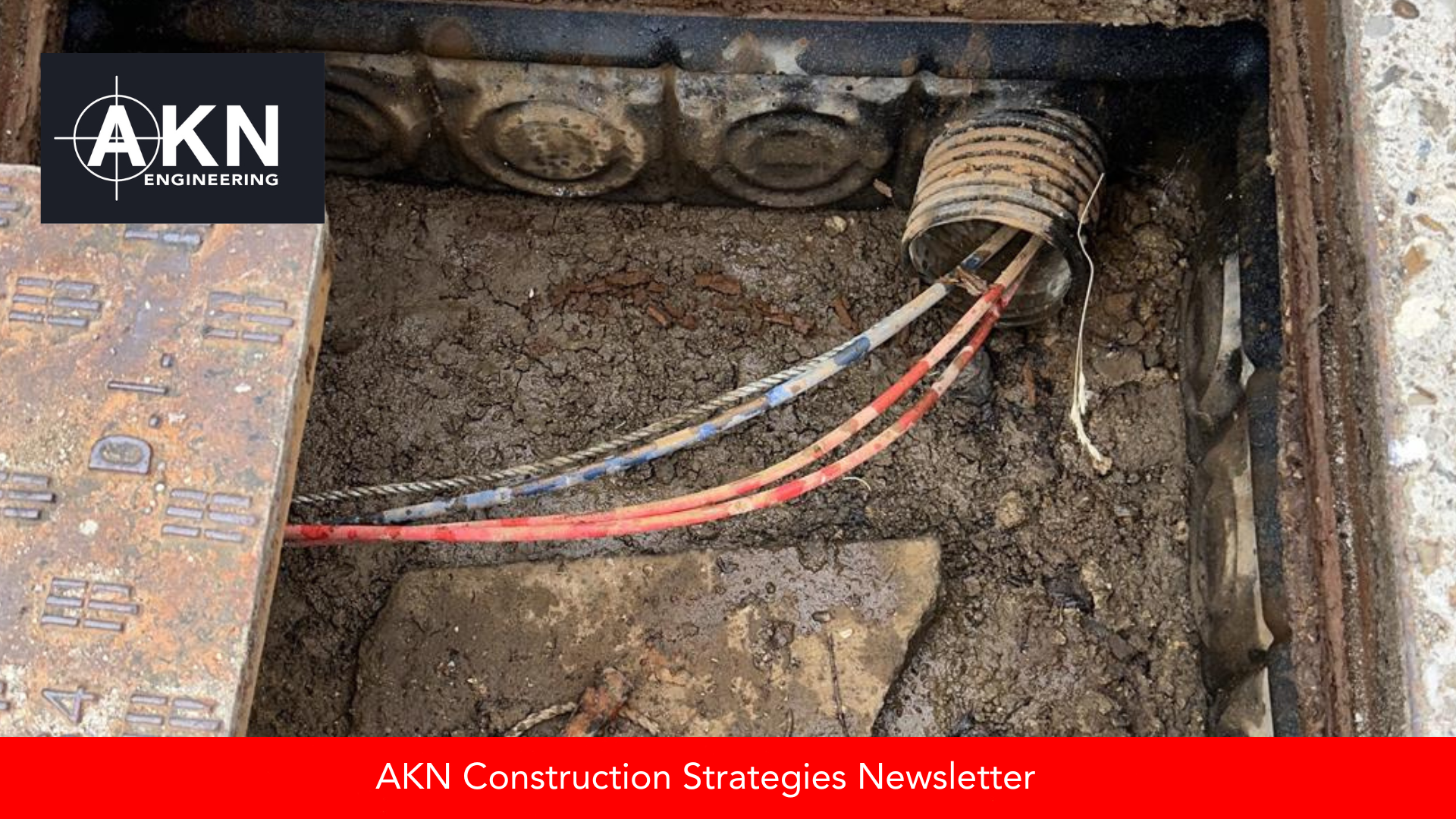
Do You Need a PAS 128 Utility Survey or Desktop Utility Search? (UK Guide)
Utility records searches and PAS 128 surveys are often confused, but they serve different purposes at different project stages. We explain what each delivers, how they impact design and construction, and when UK contractors should use each option for cost, safety, and compliance.
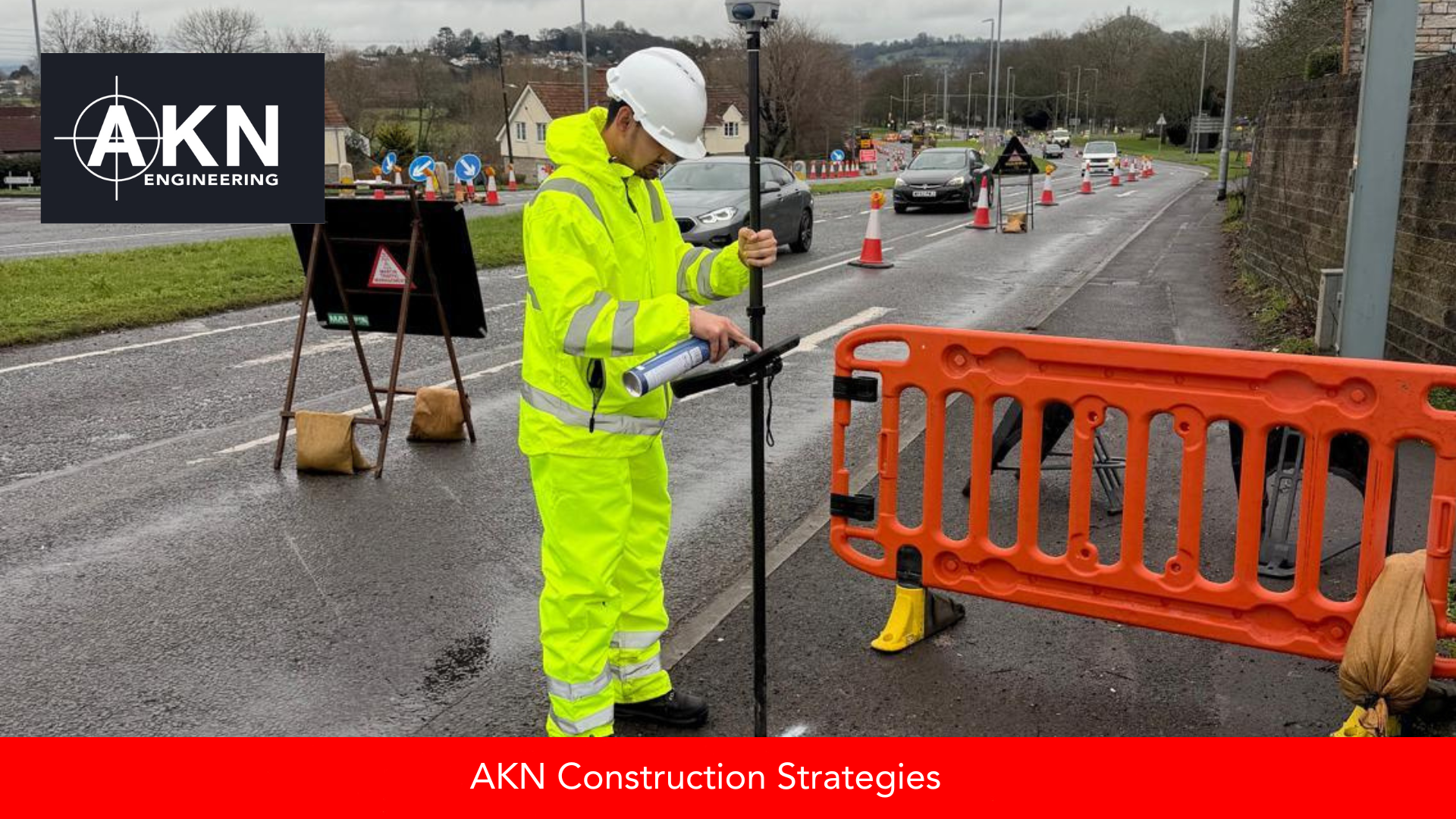
Survey Control on UK Projects: Why It Matters and How to Get It Right
Survey control underpins accuracy on UK civils and highways projects. We explain what control is, why it matters, who owns it, and simple ways to avoid costly errors during setting out, as-built measurement, and handover.

Site Engineer vs Surveyor in the UK – What’s the Difference and Why It Matters
Site Engineers, Setting Out Engineers and Surveyors are often treated as interchangeable, but on UK civils projects the differences matter for competence, documentation and delivery. This guide explains the roles clearly and why it matters for contractors, PMs, QSs and international engineers.

What Project Managers Should Understand About Survey Scope (Before the Project Starts)
Most design problems and on-site delays come from one thing: the wrong survey scope. Here's what project managers should understand about topographical and utility surveys before a project starts — and why RICS accuracy bands and PAS 128 Quality Levels matter.

What Is the Most Accurate Equipment for Setting Out Large Highways Projects?
Not all equipment is equal when it comes to setting out highways projects. Learn which instruments deliver the highest accuracy and why — plus how AKN Engineering ensures every design line is built right.

GPR Limitations Explained: Why It Detects Disturbances (Not Every Utility)
GPR surveys can’t see everything — they detect disturbances and metallic objects beneath the surface. Learn why a layered approach gives safer, more accurate results on UK construction sites.

National Security Underground: The Utilities You’ll Never See on a Plan
Not everything beneath the surface is meant to be found. Some underground utilities are classified — hidden for national security reasons. Learn how utility surveyors identify the invisible networks that keep the UK running safely without ever appearing on a plan.

Cut, Fill, and Cost: How Accurate Volume Analysis Protects Your Budget
Every cubic metre matters. Find out how accurate volume analysis protects your construction budget from hidden cut and fill costs.

UK Coordinate Systems Explained: Why the Right Choice Matters for Survey Control
Using the wrong UK coordinate system can mean centimetre-level misalignments. Learn how to avoid costly errors with OSM15 vs OSM32.

How to Transfer DWG Plans to a Construction Site with Precision
Moving from CAD drawing to ground needs millimetre precision. Discover how AKN Engineering sets out DWG plans to keep your project on time and on spec.
Local Coordinates and GNSS: How to Align Them for Accurate Site Engineering
Learn how to align GNSS with local site coordinates and why calibration files are critical for highways and machine control projects.

What an As-Built Survey Actually Tells You
An as-built survey is more than a drawing – it’s proof of what’s been built. Here’s what it tells you, why it matters, and how it helps contractors and clients.


