


Framework Site Engineering: How to Keep One Consistent Team Across Multiple Sites
Framework programmes risk each site quietly developing its own standard. What genuine consistency across multiple concurrent sites actually requires, and what to look for in a framework site engineering partner.

What Happens to Your Point Cloud After the Scan? A Guide to Point Cloud Processing
A raw point cloud isn’t usable on its own. Registration, cleaning and extraction turn scan data into the CAD drawings, Revit models or IFC files a design team actually needs.

Drone Surveys for Construction Sites: What They Capture That Ground Surveys Can’t
Large sites, difficult access and volume measurement are where drone surveys outperform ground-based methods. What they capture, how accurate they are, and when to use them alongside a traditional survey.

Short-Notice Site Engineer Cover: What to Ask Before You Book
A site engineering gap rarely arrives with warning. What actually matters when you need competent cover fast, and the questions that separate a safe short-notice booking from a risky one.

PAS 128 Utility Survey Categories Explained — Which Level Do You Actually Need?
PAS 128 defines four utility survey categories, from desktop records to physical verification. Specifying the wrong one is the most common cause of delays and repeat site visits — here’s how to get it right.
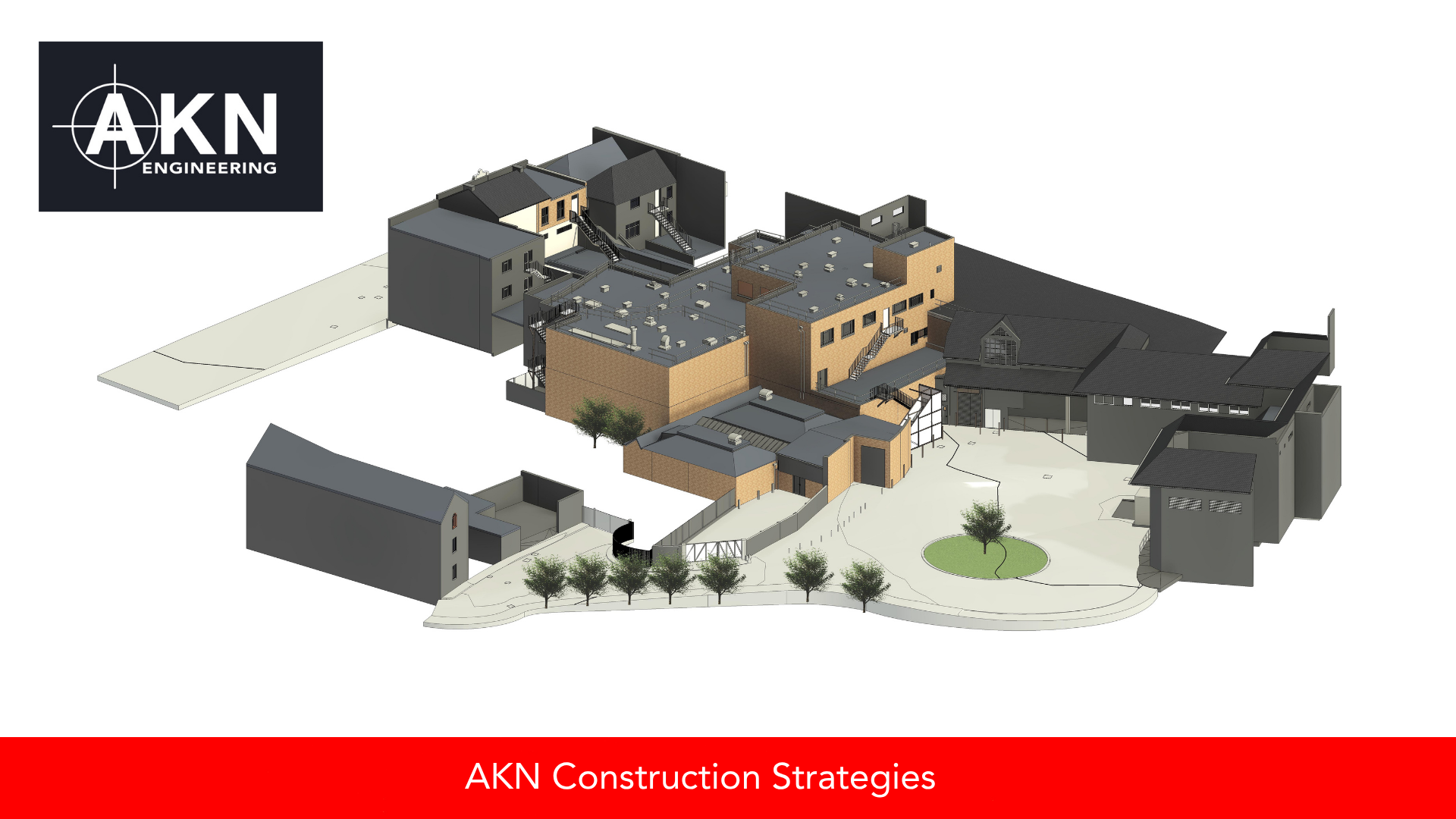
3D Laser Scanning for Refurbishment and Retrofit Projects — What You Get That Traditional Survey Can’t
Existing buildings rarely match the drawings. 3D laser scanning captures the building as it actually is, eliminating the geometric surprises that cost refurbishment projects redesign time and site visits.

How Fast Can a New Setting-Out Team Mobilise Onto a Piling Programme?
A piling rig can’t wait for a slow handover. What actually determines fast, competent mobilisation onto a piling programme — and the questions worth asking before you need cover urgently.

What Reliability Actually Looks Like From a Site Engineering Partner
Reliability isn’t attendance — it’s what a site engineering partner does when a quality check finds a problem. What to check before you book, and why continuity of people matters as much as continuity of data.

Pre-Construction Survey Planning — The Five Risks You Can Eliminate Before Breaking Ground
The right pre-construction survey work eliminates five of the most expensive risks on a UK project before breaking ground: utility strikes, dimensional disputes, setting-out errors, drainage assumptions and as-built gaps. Here's the survey that removes each.
How to Specify Site Engineering Cover for a Long-Term Project
Specifying long-term site engineering well means defining scope, deliverables, standards and resourcing up front, so it can be priced accurately on a day rate. Get those clear and you avoid the gaps that lead to rework, disputes and standing time on a long programme.

PAS 128 Utility Surveys: What the Standard Actually Requires
PAS 128 defines four utility survey quality levels and how each must be carried out and recorded. A compliant survey tells you not only where a service is, but how confident you can be in that position.


