

Why Long-Term Construction Packages Work Better With Directly Employed Site Engineers
On a long construction programme, the resourcing question that rarely gets enough attention in the bid is this: who is actually responsible for the setting out when something goes wrong six months in?
For project managers, quantity surveyors and supply chain managers running long packages across Hertfordshire, Essex, East Anglia and Cambridgeshire, that question has a practical answer — and it's worth thinking through before mobilisation rather than at final account.
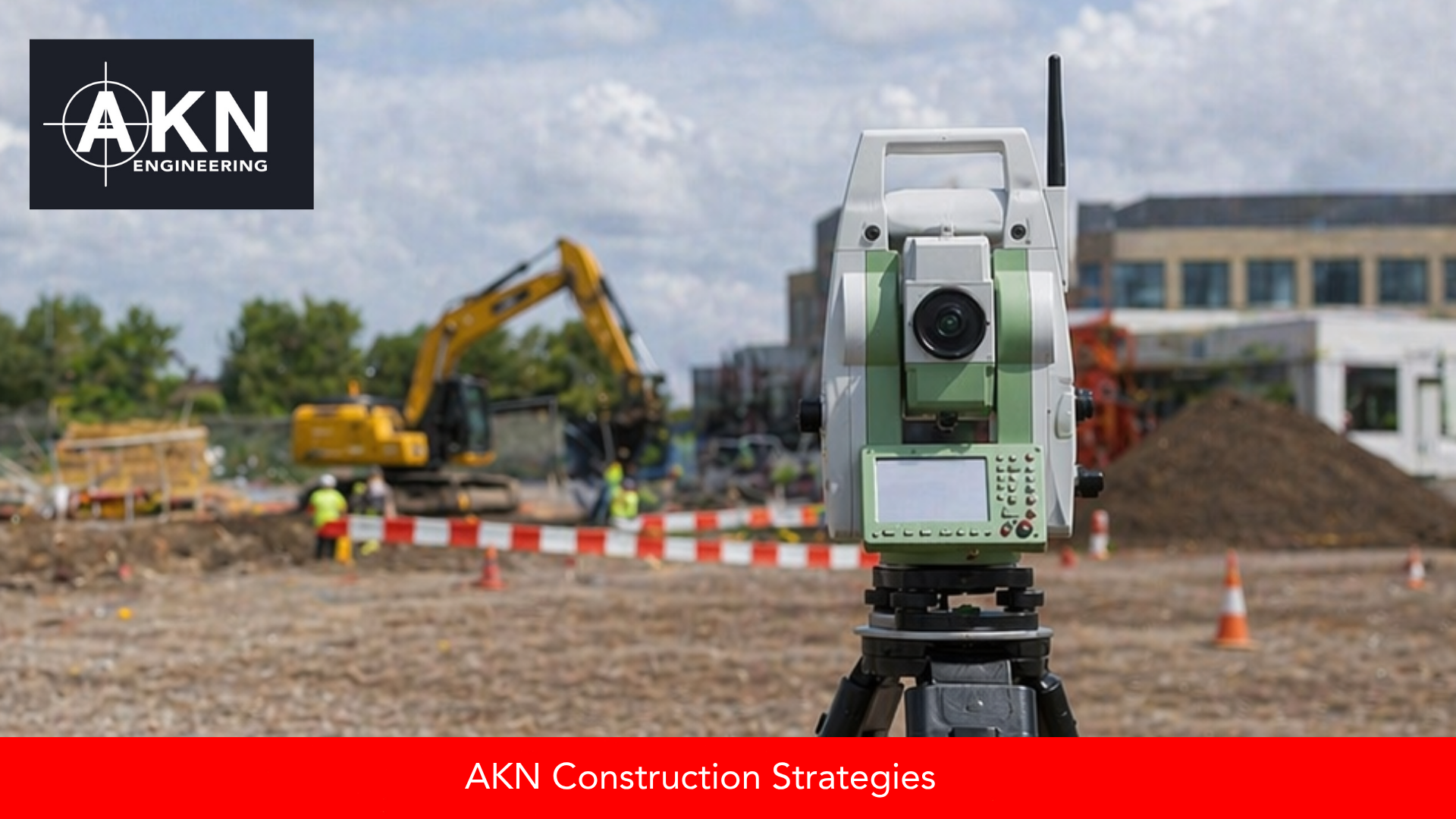
The same instrument, the same control network, the same engineer — from the first setting out to the final pour. That continuity is exactly what a directly employed site engineer brings to a long programme.
The IR35 problem nobody wants at the end of a project
If you're engaging freelance site engineers directly, IR35 compliance sits with you as the end client. Get the determination wrong and the liability follows — HMRC, back-payments, penalties. It's a risk that tends to sit quietly in the background until it doesn't.
When you work with a directly employed engineering team, that problem disappears entirely. The engineers are on the books of the engineering company. Employment status, tax compliance, payroll — all handled. You get the resource without the liability.
Why continuity matters on a long programme
Setting out is cumulative. Every control point, every transferred level, every peg depends on the decisions made before it. When the same engineer carries that knowledge through the programme, errors get caught early because the person checking the work is the person who established the control network in the first place.
When that changes — even once — there's a reset. The incoming engineer has to rebuild their understanding of the site, re-verify the control network, and get up to speed on decisions made weeks or months ago. That handover gap is where the expensive mistakes hide.
On a programme measured in months, a directly employed engineer who stays for the duration is simply a more reliable arrangement. Not because freelance engineers are less capable — many are excellent — but because the structure of a long engagement suits a committed resource better than a rotating one.
A consistent control network reduces rework
The control network is the backbone of every setting-out task on site. When one engineer establishes it, maintains it, and applies the same methodology and tolerances throughout, it stays consistent. When multiple people interpret and re-establish control across a long programme, small discrepancies compound. The result is rework — and rework is one of the most expensive and least recoverable costs on any project.
Accountability at final account
When a disputed line comes up at final account, the first question is: who set this out, and against what? With a directly employed team, there is a continuous record and a single point of accountability. The engineer, their supervisor, and the company stand behind the work throughout.
The Institution of Civil Engineers sets out the professional standards that underpin competent site engineering. You can read more at ice.org.uk.
Working with AKN Engineering across the East of England
AKN Engineering provides directly employed site engineers for long-term packages across Hertfordshire, Essex, East Anglia and Cambridgeshire. Our engineers are on our payroll — so IR35 compliance is handled, continuity is built in from day one, and there's a clear line of accountability from the first control point through to as-built records.
If you have a long-term package starting soon, speak to AKN Engineering.